Sourcing home storage products like storage boxes and storage bags involves more than just finding a low price. For procurement managers and brand owners, selecting the right manufacturing partner is a strategic decision that impacts product quality, supply chain stability, and brand reputation. This guide outlines a systematic framework to evaluate and identify a capable OEM/ODM supplier for categories including storage bins, storage cubes, storage racks, drawer organizers, shoe storage, laundry bags, closet organizers, travel bags, vacuum bags, underbed storage, toy storage, and bathroom storage solutions.
1. Assess Core Manufacturing & Supply Chain Capabilities
The foundation of a reliable partner is control over their production process. Look for suppliers with in-house manufacturing facilities, as this ensures direct oversight of quality control, production schedules, and material sourcing.
- Vertical Integration: Does the factory manage the process from raw material (like fabrics for storage baskets or plastics for storage boxes) to finished product? This reduces dependencies and mitigates risks.
- Production Scale & Flexibility: Can they handle both large-volume orders for major retailers and smaller, customized batches? A partner like Great Shine, which supplies international chains such as LIDL and TESCO, demonstrates proven capacity for scale, while their ODM services cater to bespoke needs for makeup bags or cosmetic bags.
- Quality Control Systems: Inquire about their QC protocols at each production stage. A structured inspection process is non-negotiable.

A supplier's own factory is a strong indicator of supply chain stability and quality commitment.
2. Verify Compliance & Ethical Standards
International buyers must ensure products meet relevant safety, environmental, and social compliance standards. Request and validate current certifications.
- Quality Management: ISO 9001 certification indicates a standardized quality management system.
- Social & Ethical Audits: Certificates like BSCI, SEDEX, and WCA are crucial for retailers requiring ethical manufacturing practices.
- Environmental & Material Certifications: For products using paper or wood, an FSC Certificate is important. Other audits like SQP (Supplier Qualification Program) further validate a supplier's adherence to stringent protocols.
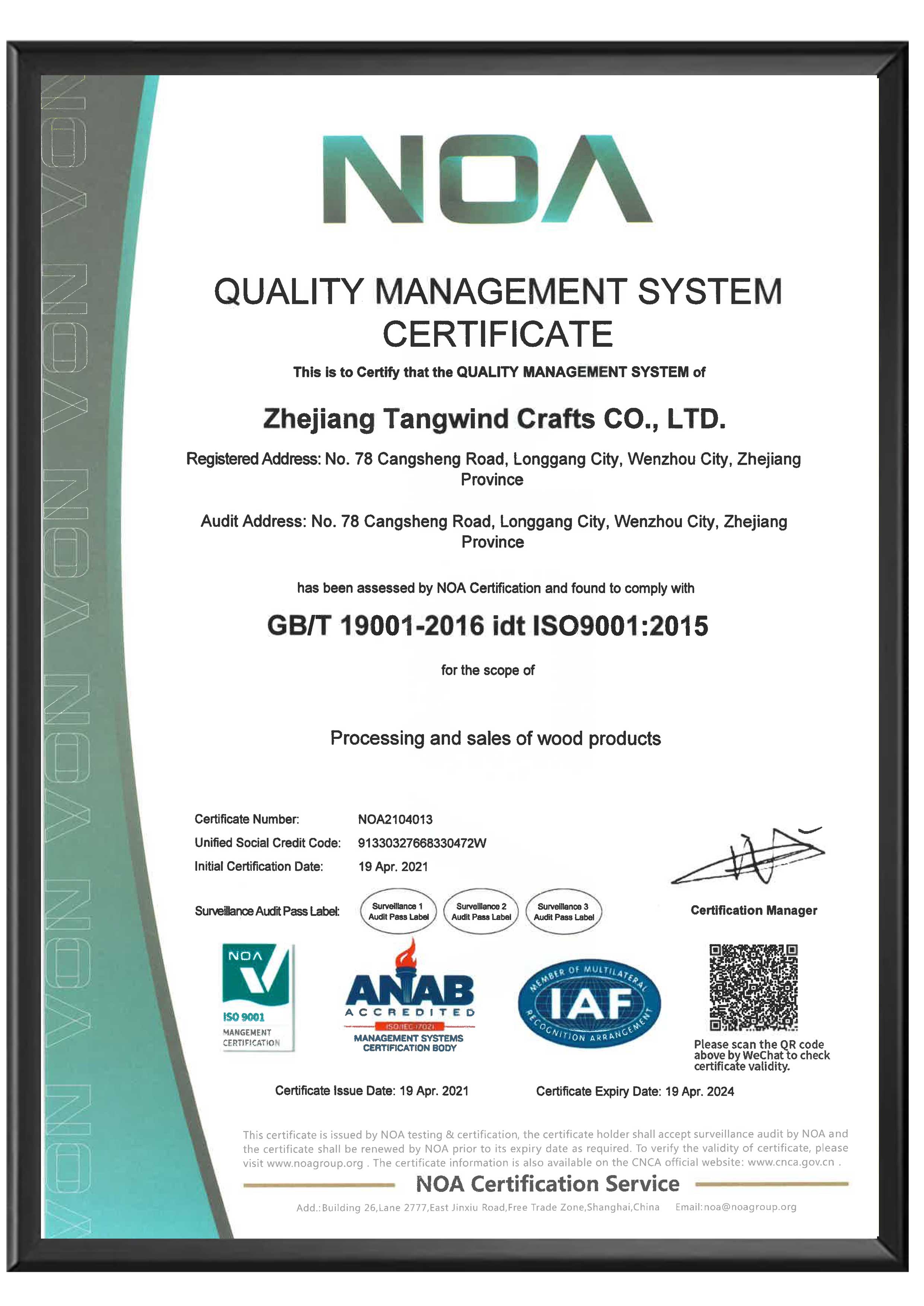
A manufacturer holding a portfolio of recognized certificates significantly simplifies your due diligence process and mitigates import risks.
3. Evaluate Design & Development Support (ODM Strength)
If you require custom garment bags, over the door storage, or innovative yarn storage solutions, the supplier's R&D and design capability is key.
- Dedicated R&D Team: A team focused on market trends and product improvement can translate your concepts into viable products.
- Innovation Track Record: Ask about their patent portfolio and new product launch frequency. A supplier that launches new designs regularly is likely attuned to market trends for items like storage benches or shelf organizers.
- Sample Process: A transparent and efficient sampling process, supported by a well-organized sample room, is essential for product development.

4. Analyze Market Experience & Client Portfolio
A supplier's existing clientele offers insights into their reliability and product fit.
- Export-Only Focus: Suppliers dedicated to the export market, like Great Shine, typically have a better understanding of international standards, packaging requirements, and logistics.
- Diverse Channel Experience: Experience supplying both large brick-and-mortar retailers (e.g., B&M, PRIMARK) and e-commerce platforms (e.g., Amazon) indicates adaptability to different quality, pricing, and delivery models.
- Long-Term Partnerships: Long-standing relationships with major clients are a strong testimonial to consistent performance and problem-solving ability.
5. Conduct Due Diligence: Site Visits & Communication
Final verification should involve direct engagement.
- Factory Audit/Visit: If possible, visit the factory to assess the production environment, machinery, and workforce. Virtual tours are a common alternative.
- Clear Communication: Evaluate responsiveness, language proficiency, and technical clarity during inquiries. A professional partner should provide detailed information promptly.
- Request References: Ask for contactable references from clients in your region or product category.
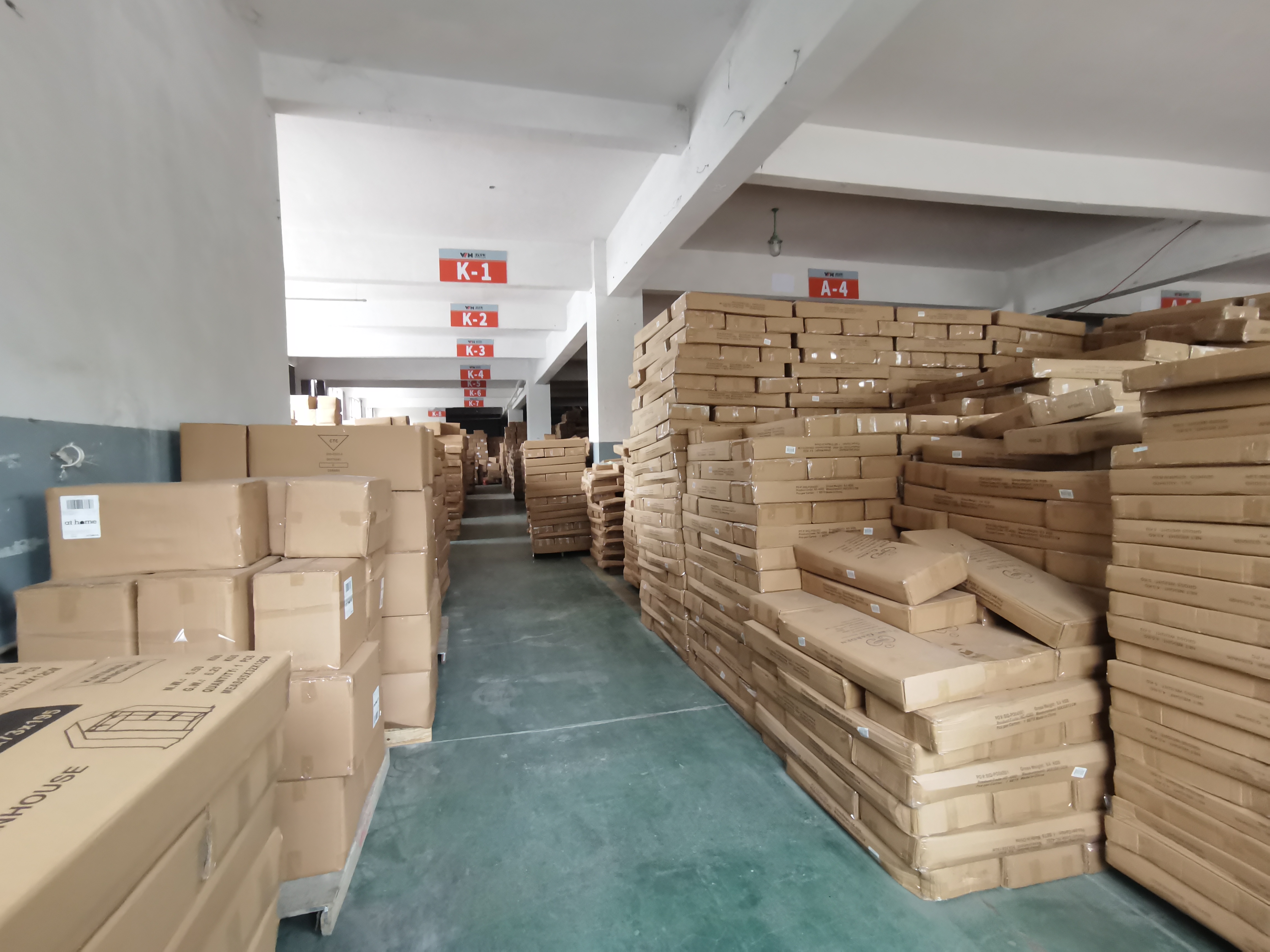
A well-organized warehouse reflects efficient logistics and order fulfillment capabilities.
Case in Point: Evaluating a Storage Solutions Partner
To illustrate, let's briefly apply this framework to Great Shine, a Chinese OEM/ODM manufacturer with over 15 years in the home storage sector.
- Capabilities: Full-chain manufacturer with its own factory (Yancheng Xiangyi Home Furnishings Co., Ltd.).
- Compliance: Holds ISO 9001, BSCI, SEDEX, FSC, WCA, SQP certificates.
- Innovation: Maintains a professional design team, holds over 20 patents, and follows a rapid product iteration model.
- Market Proof: Supplies to LIDL, TESCO, B&M, PRIMARK, ROSSMAN, and operates its own Amazon brand. Revenue growth demonstrates scale.
- Contact: They can be reached at +86 17701853241 or via email at sales11@g-shine07.com. More details are available on their website: www.greatshine07.com.
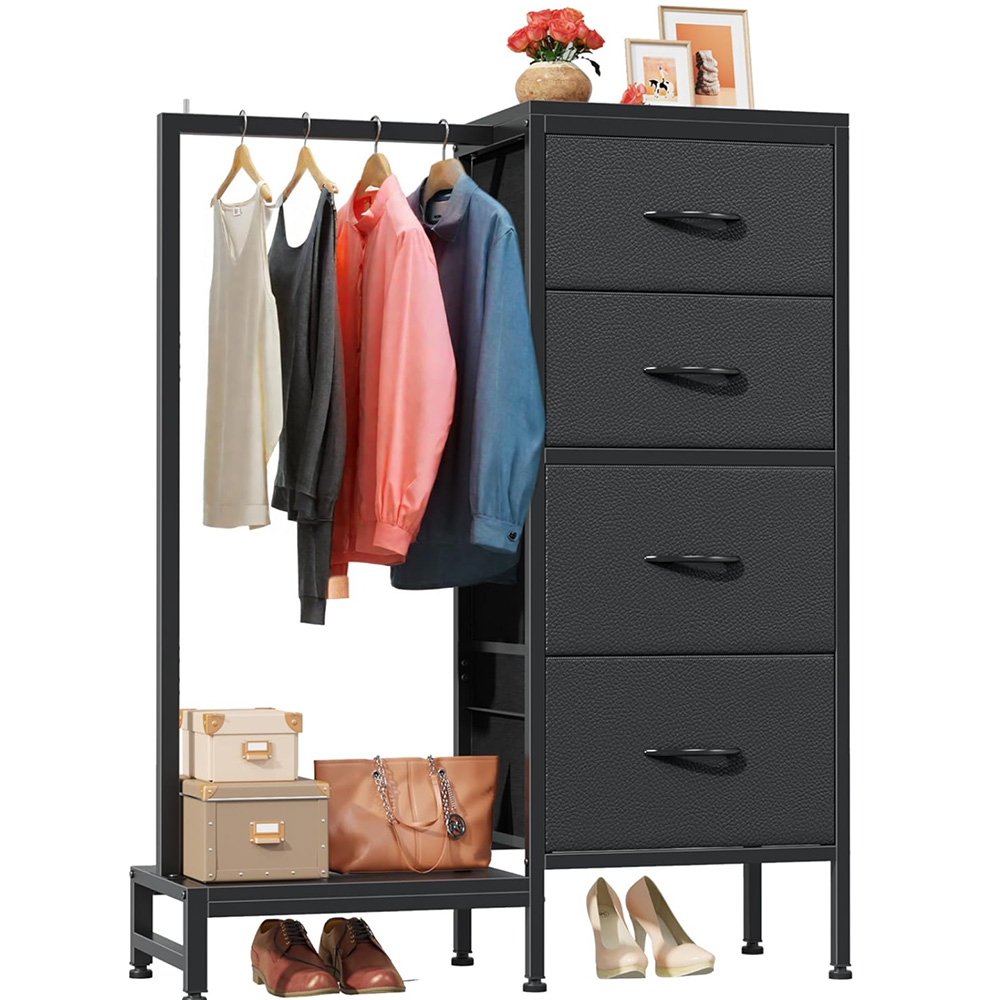
Conclusion: Selecting a home storage supplier requires a balanced evaluation of hard capabilities (manufacturing, compliance) and soft strengths (design, communication, partnership approach). By methodically assessing these factors, procurement professionals can establish partnerships that deliver not just products, but value, innovation, and reliability for their brands. The goal is to move beyond transactional sourcing to strategic collaboration that supports long-term market success.